
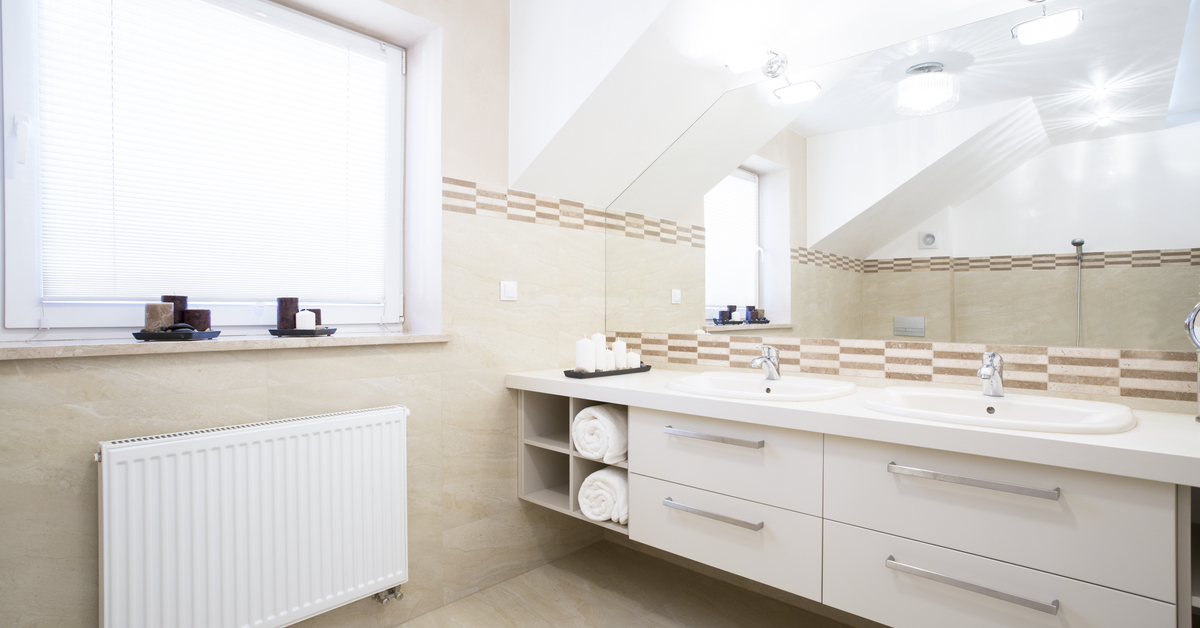
What is the Best Form of Heating a House in the Winter?
The choice of the heating that suits you is very important when building a house or completely renovating it. There are many options and therefore many are wondering what is the best form of heating a house.
The modern and best form of heating a house is considered to be the HVAC system. Using air currents, HVAC controls the microclimate in the house and maintains the required temperature at any time of the year. In-floor radiant water heating system is also considered one of the best heating methods.
However, there are many more options for heating your home. Each of them has both advantages and disadvantages. Therefore, Remodel on point invites you to consider in detail the most popular heating options in the house. And of course, you can decide which of the listed examples is perfect for your particular case.
HVAC System
The best way to maintain a comfortable home climate is to take a holistic approach. These systems are abbreviated as HVAC and are responsible for heating, ventilation, and air conditioning of the premises. Such systems are used everywhere, both in private homes and industrial buildings.
The popularity of HVAC systems is growing every year due to several advantages. The essence of this system is to use air outside the house to maintain comfortable conditions inside. HVAC is the best form of heating a house because this system can ventilate the air with high quality. This allows you not only to maintain the temperature you need but also to keep its humidity in a comfortable range.
With this system, you do not have to think about additional air humidification devices, because at the moment HVAC systems are the best heating method for your home. In addition to all this, the system also serves as an air conditioner in the summer. If you want your home to be comfortable all year round, then HVAC can provide you with it.
Of the minuses, it can be noted that the installation of this system is a rather complicated and expensive process. For the correct design of all elements of this system, you will need the help of specialists. If you are thinking of installing an HVAC system, then it is recommended to do this when building a house or complete a renovation.
Water Radiators
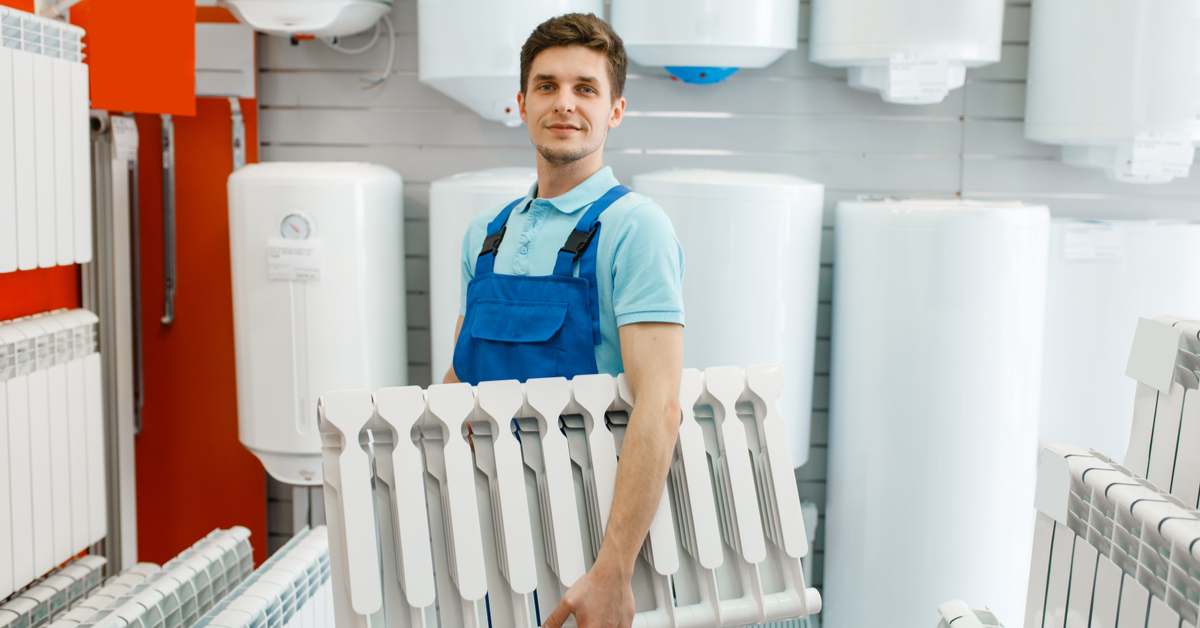
Different types of water heating for the home.
The use of water radiators has been the best heating method for your home for many years. The meaning of such a system is that hot water is supplied from the boiler through pipes to the radiators. Due to the heating of the radiators, the air inside the rooms of the house also heats up.
This type of heating even nowadays has several advantages. Firstly, it can be noted that this type of heating is much cheaper to use than its electric counterparts. Even after you turn off the boiler, the hot water in the pipes will give off heat for several more hours.
The second important factor in favor of using water radiators is the easier installation method than the HVAC system. Even if the house has already been renovated, it will not be a problem to install this type of heating. Also, because this system uses a boiler, it can be compatible with the underfloor heating system with water heating. In addition, such a heating system is practically silent, which is an undoubted advantage.
The disadvantages of this system include the absence of a built-in ventilation system and air humidity control. If this issue is critical, then you will have to use additional humidifiers.
Despite the small flaws and lack of additional features like HVAC, water radiators are still very popular in private homes. If you are using underfloor heating in your home and do not want to clean your air filters annually, then using water heating radiators would be the best heating method for your home.
In-floor Radiant Heat
One of the best form of heating a house can be safely called the in-floor radiant heat system. And the main thing that makes this heating system so popular is comfort. Probably there is nothing more pleasant than walking on a warm floor on cold winter days. In addition, because the entire floor becomes one large warm surface, the air in the room heats up much faster.
In private houses, the In-floor radiant heat system can be of two types, using electric cables or hot water pipes. Each of these options has its pros and cons.
When using electric cables, the floor heating is controlled only by a switch and you will not need to place a boiler in your house. On the other hand, the use of hydronic heating floors is much more profitable because the use of an electrical system will be much more expensive. In addition, this type of heating can be combined with water radiators for greater efficiency.
Significant difficulties with this heating system can only be at the time of installation. This is a rather complex process that requires the professional experience of the staff performing the installation. It is also worth understanding that because the heating is installed inside the floor, it is worth doing it at the stage of construction or complete repair. Nevertheless, this system is considered one of the best heating method for your home.
Electrical Heating
When it comes to electrical heating, the first thing I would like to note is that this heating system allows you to control different temperatures in each room of your home. This is possible because each electrical heating radiator is an autonomous mechanism and does not depend on the overall system. Such an autonomous heating system also does not need a boiler and this allows the heating system to be quite small.
Electric heating is popular in remote areas during renovations. Bathroom with ventilation can definitely use in-floor heating.
It is also worth noting that electrical radiators are very easy to install and maintain annually. Therefore, if you want to know what is the best form of heating a house without a complex installation system, then electrical radiators will be the best solution.
Nevertheless, this system has its drawbacks. The most important of these is that heating a house with electricity is much more expensive than using water radiators. Also, when you turn off the heating, the radiator will lose its temperature in almost a few minutes, and will not be hot for a few more hours.
Fireplace as Heating Method for Your Home
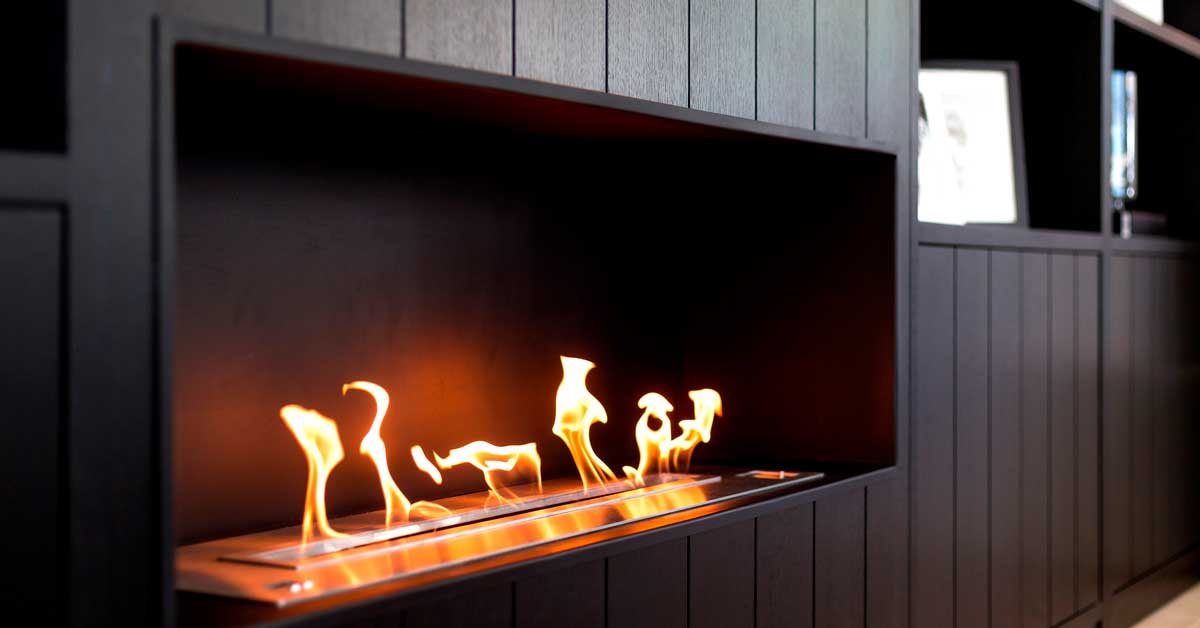
Using a fireplace to heat your home.
The presence of a fireplace in the house undoubtedly gives it elegance and luxury. Their variety will allow you to choose the appropriate fireplace for almost any interior style. Fireplaces have been the best form of heating a house for centuries. Like everything in the modern world, fireplaces have also changed. In addition to the classic wood-burning fireplaces, gas and electric ones also appeared. Remodel on point invites you to take a closer look at each of the options provided.
Electrical
An electric fireplace in a modern home has many advantages over its competitors. First, it is very easy to use. The heating elements are powered by electricity, which means you don’t have to worry about preparing firewood. Since there is no real flame in them, these fireplaces are equipped with a special display simulating fire.
An electric fireplace will be the cheapest to install and maintain since it does not need to lay and clean ventilation. It is also very safe, which will be very important if there are small children in the house. The use of modern technology allows you to enjoy such fireplaces by controlling the temperature simply by sitting on the sofa, therefore, in terms of comfort, this will be the best option.
Gas
Gas fireplaces are another popular alternative to the classic wood-burning fireplaces. They have several advantages like electrical ones. These include temperature control and safety.
But unlike electric fireplaces, gas ones are more difficult to install, since they need a ventilation system. But they are much cheaper to operate and you will not receive large electricity bills.
Wood-burning
Wood burning fireplaces are undoubtedly classics. They are very beautiful and massive, and when you have a large room to place such a fireplace, it will surely give it a special look.
But unlike modern counterparts, wood-burning fireplaces are not very practical. You constantly have to take care of the preparation of firewood, maintaining the desired temperature, and much more. In addition, the presence of open fire in the house is much less safe.
Therefore, when you are wondering what is the best form of heating a house, you should think carefully before choosing this type of fireplace. The best option for using such a fireplace would be a country house in a cold climate. Spending evenings under the trust of burning wood is unforgettable.
What is the Best Form of Heating a Modern House?
Having considered all the above options, you can come to several conclusions. The HVAC system is a great option for new modern homes. You will be able to fully control both the temperature in the house and the humidity. This system can also be combined with in-floor radiant heating. This will allow you to give more comfort in the rooms during the cold season.
The use of electric heating, whether it be in-floor heating or radiators, is very convenient to use and such heating takes up little space. Plus, you don’t have to worry about additional ventilation. Such heating is perfect for rooms where you want to keep as much free space as possible. The main disadvantage of such heating can be called a significantly higher cost of operation since you will not receive small electricity bills.
As for fireplaces, it is better to consider them as an additional heating system. They are usually installed in the living room or bedroom, not in every room. They can also serve as a very beautiful interior element, adding luxury to your home. If you want to place a fireplace in your home, then make sure that you have enough free space. Nevertheless, sitting by the fireplace on cold winter evenings gives you unforgettable emotions.
latest video

news via inbox
Nulla turp dis cursus. Integer liberos euismod pretium faucibua