

How Long Does it Take to Renovate a House?
Full gut home renovation takes 116 Working days or just over 5 month to finish by professional and experienced contractors. Our study is based on national 2000 square feet home and average complexity home renovations. Projects include complete demolition to exterior walls and refinishing of house from inside.
Every house is different in structure and layout, therefore estimating exact timing for all scenarios is literally impossible. There are residential buildings made out of block, brick, concrete, metal, frame and logs. In our example we explain complete renovation timing for framed homes and all other structures can estimate their projects excluding several stages. House renovation cannot be compared to commercial projects such as Toronto Medical Spa centers or real estate offices.
Here is a table with stages to how long does it take to renovate a house in US:
| Hiring General Contractor | Managing All Trades | |
|---|---|---|
| Site Preparation | 3 Days | 5 Days |
| Demolition/Disposal | 12 Days | 18 Days |
| Framing | 15 Days | 21 Days |
| Rough Ins | 20 Days | 20 Days |
| Insulation & Drywall | 17 Days | 24 Days |
| Flooring & Tiles | 10 Days | 14 Days |
| Cabinets | 8 Days | 12 Days |
| Trims & Doors | 15 Days | 20 Days |
| Paint | 11 Days | 11 Days |
| Other Finishes | 6 Days | 8 Days |
| Exterior Finishes | 30 Days | 40 Days |
| Total Time | 116 Work Days | 153 Work Days |
Even though we have specific time in our table for exterior finishes, it does not increase overall completion timeline. Exterior work can be completed parallel to interior finishes.
To find out exact time for your specific home renovation project and create proper schedule, contact our team and we can help with that. Remodel On Point has experts in project management for all types of homes.
[instagram-feed]Home Gut Renovation Meaning with Details
Enter house renovation is extremely complicated project and does not happen very often to a single property. We can’t imagine the same house being upgrade completely every few years. Unless caused by a disaster, interior home lifespan is somewhere above 50 years.
In some way home renovation can take as much time as new build project. Because you are working with existing structure that has to be changed safely into new layout, it can take even more time than initially expected.
Some people even look for older houses to buy with intention to completely renovate it from top to bottom. It becomes a new home without categorizing it as a home construction and staying within renovation zone.
Others can be less fortunate with obligation to renovate due to flood, fire or mold growth inside. Regardless of the situation and cause, the factors that determine how long does it take to renovate a house stay the same. It come down to unique finishing details and level of complexity of the job.
Stay on top of the game with initial preparation. Create large list of work that is to be completed with step by step process and attach at least assumed timelines for each. We provide services in project management and schedule creation for all jobs.
Cosmetic Renovation Takes Much Faster
In average home, cosmetic renovation takes between 10 and 18 days. Single team contractors are hired to speed up the process and remodeling gets done within expected time. Some home owners prefer to do it themselves, which saves some of the costs but can extend the time of renovation.
Many projects don’t go into extent of complete gut and performed simply to upgrade the looks of the house. These types of projects are called cosmetic. Just like actual cosmetic people use, the remodeling purpose is to cover up deficiencies and make everything pretty without changing the bone structure.
Cosmetic renovation is much faster than any other construction related projects. We see it used mostly before home is being sold. This way home owner saves time and doesn’t have to move out for months while job gets completed.
Obviously little jobs can vary in time and size as they can be all throughout the house or in particular spots. Our idea is to guide home owners and create understand of timelines for basic remodeling steps required in small touch up projects.
To answer how long does cosmetic renovation take on average we created a table:
| Hiring General Contractor | Managing All Trades or DIY | |
|---|---|---|
| Demolition | 1-2 Days | 3-4 Days |
| Patch ups | 4 Days | 6 Days |
| Replacing necessary items | 3 Days | 5 Days |
| Finishes | 2 Days | 3 Days |
| Total Time | 10-11 Days | 17-18 Days |
Our team works with largest and smallest remodeling projects you can imagine. Email us for assistance and Remodel On Point representative can guide you for the materials required and information on how long does it take to renovate a house with specific instructions.
Time Required for Home Renovation Permits and Drawings
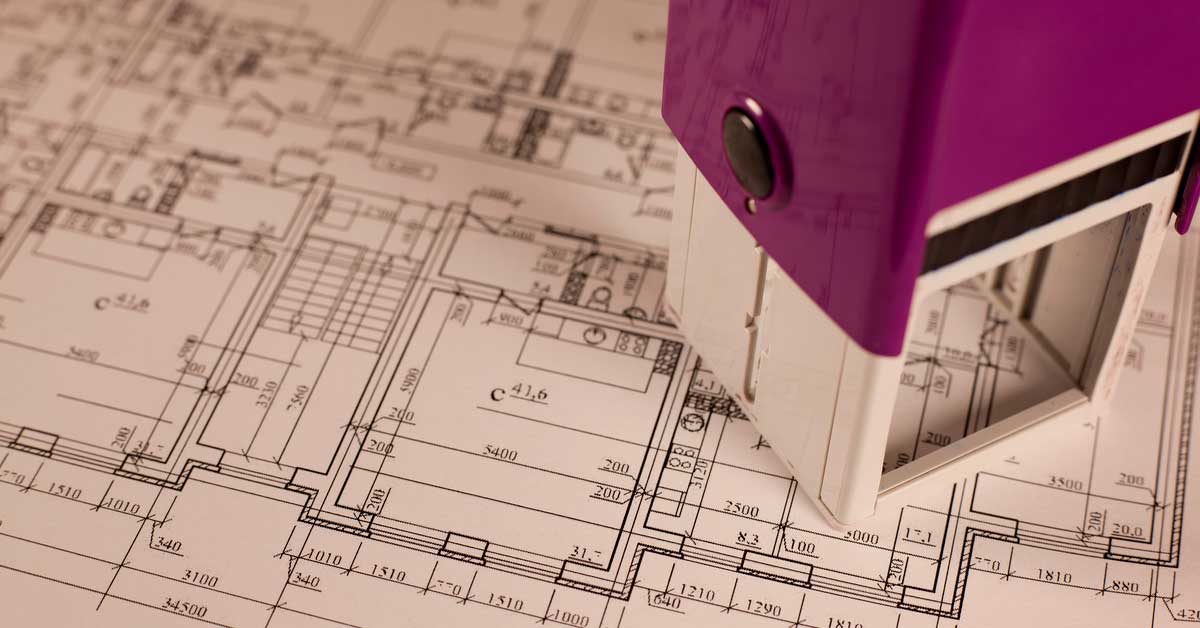
Soft costs that required for apartment renovation.
On average architectural drawings and city permits for home renovation project take 2-4 month. It can be much more with complex design and additional requirements from city department. Extra requirement for additional documents can take up to another 30 days.
Probably the next popular question after the cost is if permits are needed for renovation job. The answer is to always assume drawings and permits required unless it’s a very small touch up project with replacing nonstructural and non-essential items.
Architectural work with city approval is not really part of renovation process, but it takes a long time to obtain. It’s more of preparation step or soft construction as some may call. Many home owners assume remodeling process can start right away, and for them we created a table with average expectation on time for permits and drawings.
| Hiring Company | Managing by Yourself | |
|---|---|---|
| Drawings | 40 Days | 60 Days |
| Survey / Zoning | 30 Days | 45 Days |
| City Permits | 20 Days | 20 Days |
| Total Time | 90 Days | 125 Days |
Many projects won’t even require any of above listed documents. If you are planning renovation and curious about all steps and approximate time for renovation as well as first steps with permits, contact us directly by email.
Good Preparation is Key to Staying on Time
We can discuss the size of home being renovated and how easy or hard actual job is, but we feel the most important aspect in determining how long does it take to renovate a house is preparation.
Experienced general contractors have their own ways of estimating required time and creating schedules of all work. Some of them use sophisticated software and some still use single line timelines on piece of paper.
Staying within expected time of work means saving money and your nerves. Instead of enjoying the house you will be paying for rent elsewhere with storage for furniture and belongings, while the renovation is delayed.
When hiring company for complete home remodeling ask them for estimated time of completion in the beginning and demand schedule for each step of work.
Biggest arguments between clients and renovation companies happen during cost increase and major delays for work. Always expect renovation to be slightly longer than you are told and carefully prepare for it.
Does Every Renovation Contractor Perform at the Same Speed?
Don’t take our average timing of work as guide to every renovation project. We cannot project timing for specific contractor that you hire for home remodeling. In fact all of them are different in cost and time competition.
Some general contractors go through each job as fast as they can by managing all trades, while others try to do most of labor themselves to make more money per project.
The best way to predict the speed of contractor is to ask their process of work. Project managers that take on at least 3 to 5 jobs a year should know what they are doing and have right scheduling system. General contractors and builders that complete fewer projects might take longer to do each job.
Get references from renovation companies that are interviewed before hiring and ask previous clients about following schedule.
In our experience the variation of timing for most companies is within 20%. If our prediction for home renovation is around 6 month, than 80% companies and builders should be finishing same work in 5-7 month.
How Long Does it Take to Renovate a House without GC
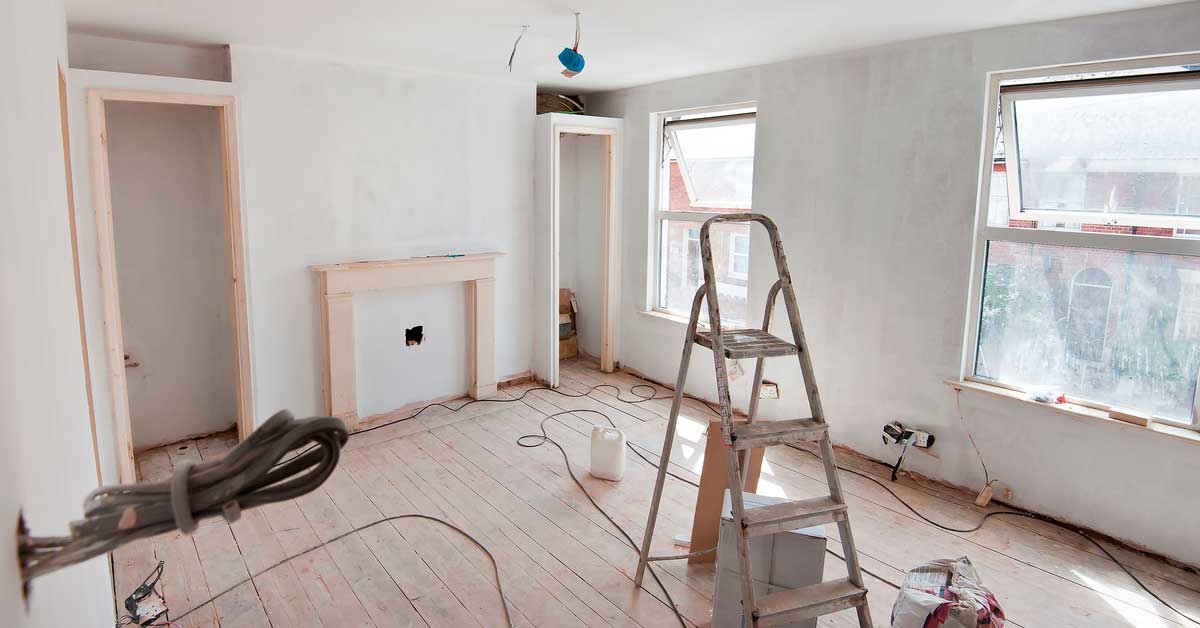
How much longer to make repairs without GC?
If you are reading this article, there is a big chance you have thought about renovating home on your own. Can you perform as fast as experienced contractor by hiring separate trades and managing everything on your own? The short answer is probably not!
And that’s because you have other work to do on daily basis and don’t know enough about entire process. With best preparation and our design package we can get you close to desirable timing, but it still depends on how determined you are.
Typically preparation for same project is twice as long and home renovation itself is 30%-40% longer for self-managing jobs. Don’t be frustrated, it is not because you are not as smart as them. You don’t have all the trades and suppliers on speed dial and making mistakes will cause delays.
Other Time Delay Factors for Home Renovations
Our recommendation is always to expect delays on every renovation job. No matter how experienced project manager is or how well the schedule is prepared, there will be things out of your control that will lead to delays.
The best thing you can do is to expect these things and know how to handle them. Here is a short list of potential items that can slow down home renovation.
Designated Substances – During demolition stage contractor can discover construction materials with substances that need special attention and abatement. It includes asbestos, silica, mercury, lead and even mold.
Structural Issues – After exposing load bearing walls and joists, original structural plan may change a little. Expect to have variation and ask architect to revise drawings as soon as possible with stamp of licensed engineer.
Incompetent Workers – Not ever worker or general contractor is competent. We actually advice agreeing on specific schedule for work with subtracting costs for delays by workers, but that rarely works.
Building Inspections – Work can be completed on time and without any issues, but scheduling inspection is not always convenient. Although most inspections can be arranged next day and go as planned, sometimes inspectors reschedule visits.
You need to have professional or supervisor on jobsite to meet city rep. We have high expectations and assume all inspectors are very knowledgeable, but we sometimes hear horror stories.
Remodel On Point offers professional design packages with scheduling for all home renovations. Or simply purchase our consolation package.
latest video

news via inbox
Nulla turp dis cursus. Integer liberos euismod pretium faucibua