
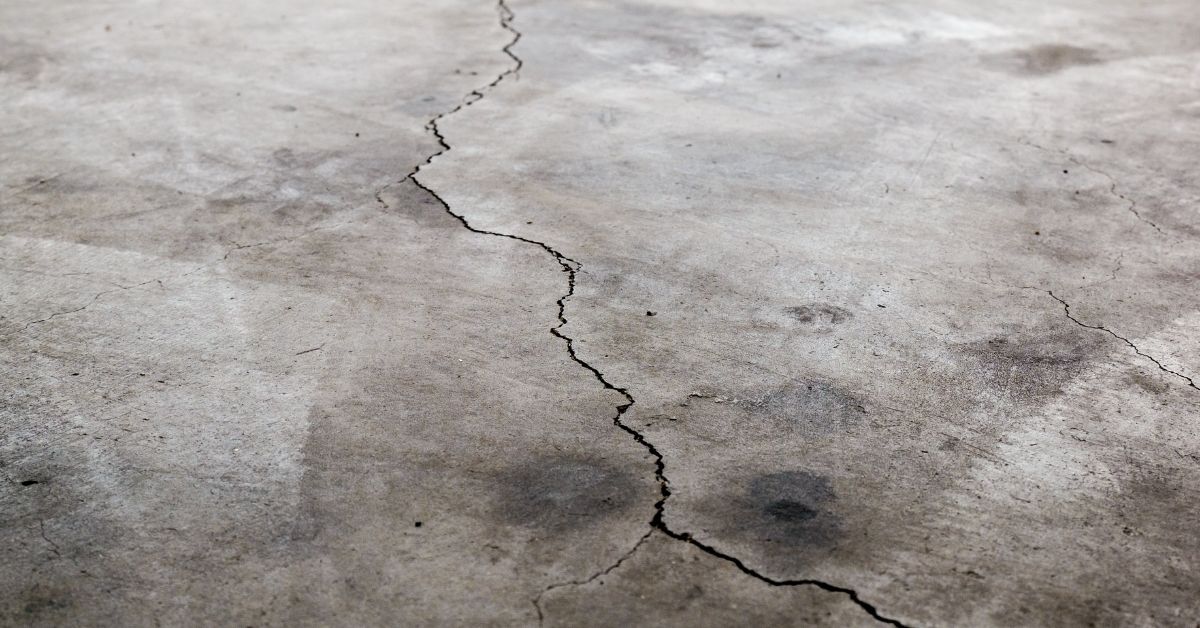
Issues With Cracks in Garage Floor and Prevention Methods
Commercial and residential garage concrete floors have tendency to crack over time. It can penetrate all the way through slab or be a small hairline crack that goes only an inch or so in depth.
Don’t overreact right away. It is a common issue that can be solved easily by sealing small or large crack. Lifespan of concrete is 100 years, but small cracks appear much sooner. Usually is it not a structural defect but can cause minor or some major problems.
What Issues Come Up After Cracks in Garage Floor Occurs
- Radon Gas or Similar
- Moisture/Water Coming Through
- Ants Invade The Garage
- Costly Constant Repairs
- Structural Integrity of Building
With certainty everyone should agree there is no better material for garage surface than concrete. It create sealed and very strong slab that withstands thousands of pounds of weight, easy to install and does not cost a lot.
[instagram-feed]Common Issues of Cracks in Garage Floor
Every construction defect can lead to further issues. Specific function of material is disturbed and it no longer serves to full potential. Remodel On Point explains 5 problems that start with tiny cracks in concrete floor.
Radon Gas or Similar – Certain states have higher risk of underground gas coming through foundation and base slab. One of those gasses is Radon. It is believed to potentially cause cancer and other health problems.
Completely sealed garage floor with concrete protects from gasses coming through. Check if your area is in known for dangerous underground gasses.
Moisture/Water Coming Through – You don’t need to have underground water for moisture to come through garage floor cracks. Condensation and wet soil will do the trick for you.
Completely sealing each spot in foundation and concrete slab assures there is not moisture on the way. Wet surfaces can increase chance of mold growth.
Ants Invade the Garage – Colonies of ants can get through smallest cracks in garage floor. They seem to appear out of nowhere and keep on finding things on floor to feed on.
Ants are harmless and most of the time just annoy home owner with their presence. Sealing all homes is the only method to make sure no ants are getting through.
Costly Constant Repairs – To make it look like new, repairs are made for garage concrete floor. Small crack can quickly grow and the cost to fix will be higher than few hundred dollars.
Don’t wait too long and get it done as soon as you find the crack in concrete. If not fixed right away, more cracks and loose concrete can appear.
Structural Integrity of Building – Small problem can become big one if structural points get damaged. Concrete slab is often connected with footings or even could be poured together.
Large cracks that continue all the way to footings or specific points on which structural wall sits, can cause big issues.
How Do New Cracks in Garage Floor Appear?
There are at least dozen reasons why garage floor is made out of concrete. Top of them are being: it is very hard material that withstands loads of pressure, it is easy to install and it does seal completely foundation of garage.
Cracks should not appear out of no reason, and if you see one it’s probably one of listed below causes.
- Exposed to cold temperatures
- Thickness is less than recommended
- Low quality concrete
- Too much pressure applied
- Bad installation techniques
- Not enough time to cure
- Underground waters or air pockets
These are most common 7 reasons why cracks appear in garage floor. Don’t forget that like every other material, concrete has end of its’ life in about 80 years. Even with ideal installation and perfect condition it will show cracks after 50 years.
Exposed to cold temperatures – We almost never see concrete slab installed during winter out in open. Concrete needs at least +10 Celsius or 50 Fahrenheit temperature to cure properly. Chemicals can be added for work during application in cold month, but it’s not guaranteed that hairline cracks won’t start coming through.
Hard materials react poorly to change of temperature as well. Meaning that if summer is too hot and winter is too cold, concrete lifespan is shortened.
Thickness is less than recommended – minimum thickness for garage concrete floor is 4 inches. Larger surface area requires more stability and thicker slab is installed. For straightening it even more, rebar can be added.
Commercial garages assume use of heavy cars and high traffic. Therefore the amount of concrete poured should increase to 6 inches.
Low quality concrete – not everyone knows, but concrete has different grades. Each type is meant for specific application. For garage slab concrete M10 and M15 are used most of the times. It is closer to the bottom of the table for strength, but lower grades do exist.
Higher grades can be used as well, but it will cost a lot more. Ask contractor what type of concrete they are planning to pour for your garage floor installation.
Too much pressure applied – residential and commercial garage use is not the same by any means. You cannot install 4 inch slab and expect to have no cracks in garage floor while operating heavy truck or installing car lift.
Know your limits and understand how much pressure your garage floor can handle. For second car lift structural engineers require additional foundation pads or strip of footing.
Bad installation techniques – professional crews with years of experience will install it differently from first time DIY experiment. If improper techniques are used, cracks can come up within first two years.
Vibrator is used to distribute all concrete and release pockets of air that are trapped inside the mixture.
Not enough time to cure – within two days after installation of concrete garage floor it will be solid enough to walk on without any problem. However to park a car on top of it is not the right time yet.
Professional installers recommend at least 7 days to cure for residential garage floor use and minimum two weeks for commercial.
Underground waters or air pockets – unfortunate home owners with high water beds can experience cracks in garage floor due to water flow under slab.
Part of soil is washed out and pockets of air appear right under garage slab. With enough pressure it can crack.
How to Avoid or Prevent Cracks in Garage Floor?
Remodel On Point team wants to share some tips for installation and use of garage floor that prevents from cracks appearing sooner than normal.
Stick to practice that is used by professional trades to get maximum time out of your garage slab before it starts cracking. These would increase lifespan of concrete by at least 50%.
- Install in warm conditions
- Add rebar for strength
- Make sure its thick enough
- Cover up with material or hey
- Proper use of surface
Our 5 points to prevent cracking in garage floor are not suggestions, but rather mandatory requirements for installation and use of slab. What 20-30 years ago was a recommendation now is standard practice.
Install in warm conditions – concrete firms up better in worm conditions. Pouring it during winter while snow is on the ground is definitely a red flag.
Even though garage space is inside, the soil can be frozen and every experienced concrete worker should recommend defrosting and making the premises worm before pouring concrete.
Add rebar for strength – a net of steel rebar is often added for tightening up entire surface area. It works as a component for concrete to wrap around and hold tight.
A good distance between rebar would be 8 – 12 inches. Therefore rebar net should be with 1 square foot squares or smaller. Lift it up few inches from the ground to makes sure steel is positioned in the middle of slab.
Make sure it’s thick enough – don’t trick anyone with think concrete slab. It will be a disaster if garage floor has less than 3 inches of concrete poured.
Everything less than 4 inches thick should not be installed even with reinforcement features. If necessary make it thicker by excavating more dirt.
Cover up with material or hey – concrete likes to rest without being touched or disturbed. Special material is used as cover for outdoor and indoor slabs or sidewalks made with concrete.
You may see hey put directly on fresh concrete in enclosed areas. It also protects fresh concrete in cold and humid areas. Hey absorbs moisture from air and keeps in inside for the period of curing.
Proper use of surface – never mix or intend to misrepresent type of use for garage floor. Saving few bucks during installation and assuming regular garage concrete floor can be used for commercial use is asking for trouble.
If you are not sure about thickness, connections to foundation walls, rebar and additional support features – ask structural engineer for assistance.
How Long Does it Take for Cracks to Show?
In normal conditions cracks will start appearing within 20-25 years of use. Without following simple rules of initial installation, it can start way sooner. Bad installers can cause garage floor cracking and crumbling only in 2-3 years.
Overpaying and getting higher than average quality concrete slab in garage can keep it in almost perfect condition for close to 40-50 years. Although its double the time, the cost for exceeding average lifespan may be not worth it. Fixing small crack does not cost a lot of money.
How to Repair Cracks in Garage Floor?
When you just notice the crack on garage concrete slab it’s important to deal with it right away. Fixing the problem soon can save money in a long run and prevent it from reoccurring in other spots.
Professionals that infill holes can charge $120 – $150 per crack or $500 per garage slab if you have 5-10 small to medium size cracks in concrete.
First is to find out if the crack goes all the way through the slab. Smaller cracks are easier to fix and they don’t cause immediate problems to garage.
- With regular saw expand the crack and Follow the line to full depth.
- Clean the hole from loose pieces of concrete and vacuum out all the dust.
- Fill it with epoxy or polyurethane and let it dry for at least 2 days before walking on it.
Tis 1,2,3 step process can be easily done at home without hiring professionals. Do it on your own and spend several hundred dollars elsewhere.
latest video

news via inbox
Nulla turp dis cursus. Integer liberos euismod pretium faucibua