

Complete Guide on 6 Types of Railings Explained
To get around outside of your home you need railings, especially when there is change and elevation or separation of properties. Each deck, staircase and low fencing system needs to have railing and we want to break down each type with details on costs, pros and cons.
Building and construction regulations in all regions have minimum requirements for railing system as a protection and our guide can help you select the perfect match for your property.
Our guide has 6 types of railings, which are made from:
- Glass
- Stainless Steel
- Iron
- Wood
- PVC/Vinyl
- Aluminum
Market is always growing in exterior renovation and construction, therefor different types of railings and materials can be used for manufacturing and installing new railing system. If you have detailed information on popular products, please email our team and we will update the guide on railings.
[instagram-feed]1. Glass Exterior Railings
Improvising with materials and different looks, we have reached the era for open looks and modern design. Our current modern ideas consist of making areas looking bigger and more open than they really are and glass has been contributing to it. Using glass as separation barrier and railings is very likable by new designers.
Pros:
a) As we already mention above, glass railing has the cleanest and most modern look of any other types and materials in this guide of exterior railings. Glass attracts more people with its cleanliness.
b) There is no better material than glass for maintenance. There is no painting, staining or refinishing required for years. What you will need to do is clean it from dust and fingerprints from time to time.
Cons:
a) When we say glass railing, we actually mean glass separation barrier with no railing. The biggest problem of glass railing that in most cases there is nothing to grab on when walking by.
b) Small damage to glass will be considered as major issue. You will have to replace entire glass section even if small piece has chipped. Breaking glass railing can create massive safety risk with tons of glass.
Cost: Every project is unique and custom glass railing cost around $200 per linear foot for manufacturing and set up by contractor. You can find prebuilt sections of glass for easy installation at $100 per foot.
2. Stainless Steel Type of Railings
One of our favorite railings there are on the market by the functionality and looks is stainless steel. They are installed in new commercial places and in homes around the globe. The color of stainless still is winning the market and they are as durable as cast iron material.
Pros:
a) First five start rating stainless steel railings get for their modern look. You can literally see them everywhere. As shower hold bars, on new custom stairs, in condo elevators and even public transport.
b) The material and top layer of these railings make your life easier in maintaining them in good condition. Simple cloth cleaning will do and your railings will shine for many years ahead.
Cons:
a) Having steel raining outside is not ideal for winter weather. Metal gets very cold and unpleasant for touching by hand without gloves.
b) Custom railings will be your only option. There is no chance for DIY after buying stock material in hardware store. Contractors will take very long time to manufacture and install it for you.
Cost: residential and commercial stainless steel railings cost on average $100 – $150 per linear foot of installed product. Very large one piece railings can cost much higher.
3. Iron Exterior Railings
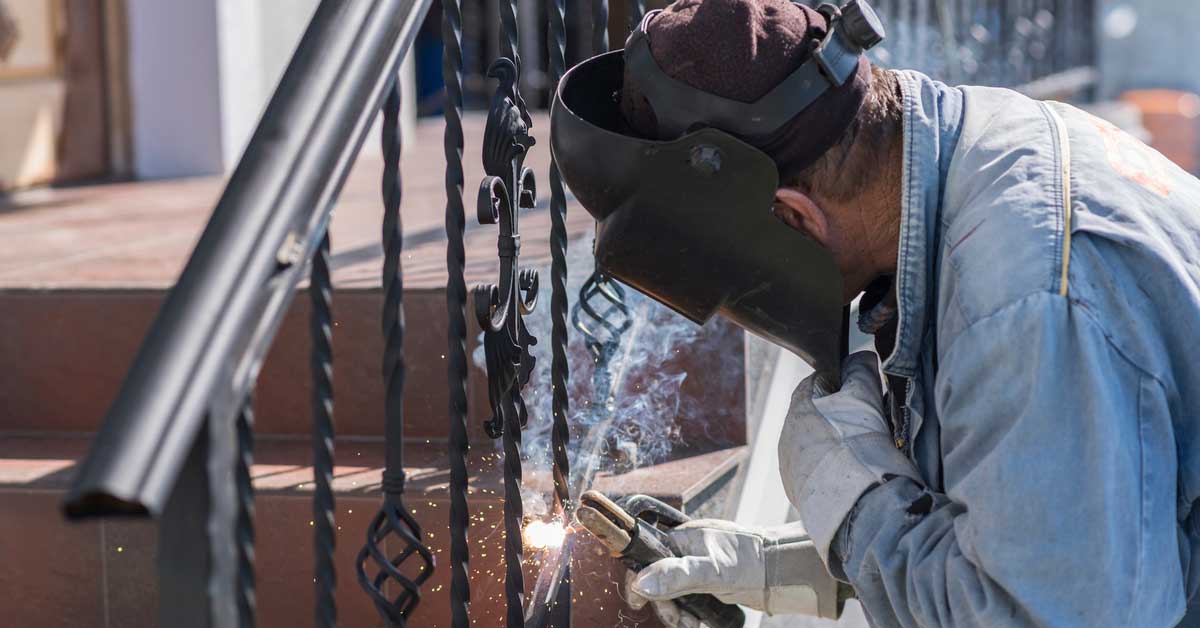
Welder finishing iron entrance railings.
Custom iron railings are hard to find in stock. They are usually specially made for each project as one piece with iron fence. We almost never see DIY projects with iron railings, therefore you will need to find contractor or company for manufacturing and installation.
Pros:
a) The biggest benefit installing iron railings is it will last for decades and even centuries if you take care of it properly with paints that protect from oxidizing and rusting.
b) Because custom railings are always unique, it creates a variety of options for your project. Professional company will be able to do almost anything with bending and shaping iron for types of railings.
Cons:
a) This type of exterior railing is very expensive and would not work for budget projects. We see it beings installed mostly at luxury estates and high end offices.
b) Installing cast iron railings is not easy. It takes a team or a company to measure, manufactures, delivers and set it up with welders at your property. The process is very time consuming and complicated.
Cost: New cast iron fence with outdoor railing can cost as high as $500 per linear foot. If you require specifically railing without anything else, you are looking to spend somewhere around $100 per linear foot.
4. Wooden Exterior Railings
Previously most used material is now fading away. We still see it largely in private homes as choice of exterior railing, but in commercial wood railings is no longer the best option. It is still widely available in all popular hardware stores or you can purchase it online with easy installation manual.
Pros:
a) If you are handy person and have basic tools at home, you should be able to install wood railings by yourself. They are very easy to work with and even hiring contractors is not going to be an issue.
b) Wooden railings can be stained and re-stained again in different colors. It does not need to have one basic color all the time. The shades can be redone with other exterior changes.
Cons:
a) Railings that made out of wood wear out faster than other materials. Their lifespan is maximum 15 years. With constant weather change wood material gets worse and worse every day.
b) Wood railings require more maintenance than any other railing type. You will be working on it every year to keep the looks and condition. This includes staining, sanding and painting work.
Cost: You can purchase section of railings made out of wood for under $100, To hire contractor for installation and staining your cost will be $40-$50 per linear foot with material.
5. PVC/Vinyl Exterior Railings
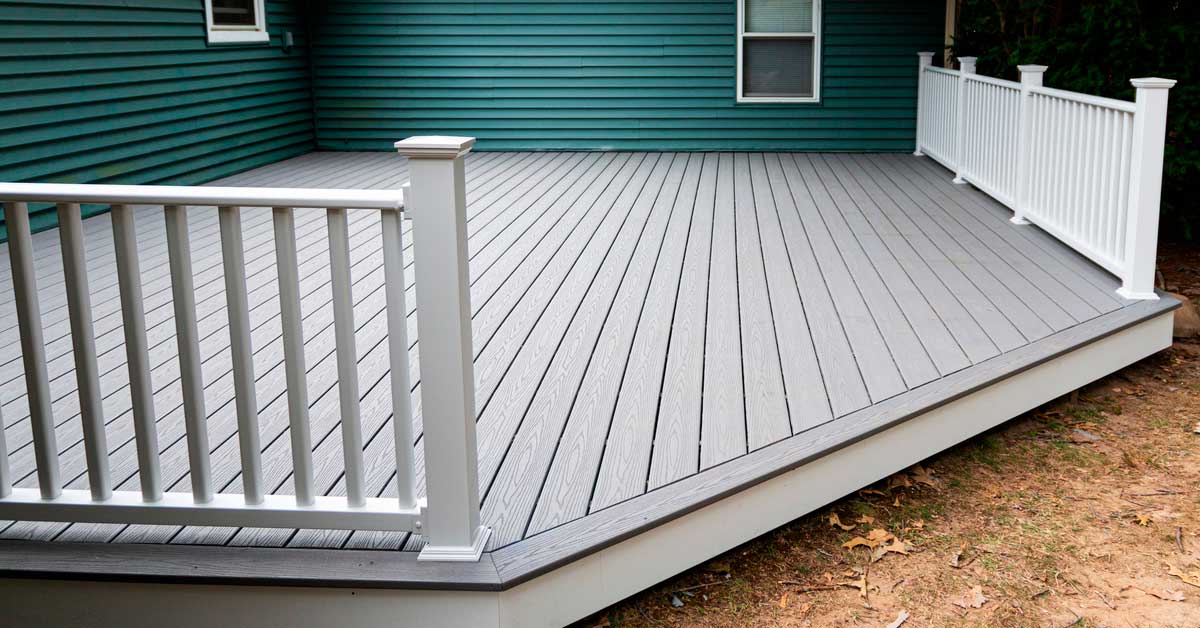
Deck on backyard finished with Vinyl white railings.
The budget version of all railings comes with material that does is not hard to manufacture and transform into shapes of railing. There is wide range of selection for PVC products and you can get many different colors to match the rest of outdoor space.
Pros:
a) Tight budgets will still allow you to purchase vinyl or PVC railings. If you simply want to install rail system but want to spend as little as possible than this type is definitely for you to proceed with.
b) This material can easily bend and if you need to twist it slightly without making cuts around, you can surely do that. Flexibility makes vinyl rails work better in tight spots where glass or cast iron can’t be used.
Cons:
a) What we don’t like about this railing is how it fast it can get damaged. The material itself is not durable at all and can be dent, scratched and broken without lots of effort.
b) Other down side of PVC and Vinyl materials is the actual looks to them. You get what you pay for and there is nothing you can do to customize the rails. All of the products are prebuilt and sold in sections.
Cost: low costs is why people select these rails and with installations they can cost $10-$15 per linear foot on the wall or fence it gets put on.
6. Aluminum Outdoor Railings System
Number four on our list aluminum material. These fences have been around for decades and can be seen on every second house. Aluminum railing quality and cost ratio is preferred by most home and property owners around the world till this day.
Pros:
a) When there is demand there will be high supply. Aluminum types of railings are liked by many people, and suppliers make sure that their product is widely available in most hardware stores around the country.
b) Other benefit that originates from large supply of aluminum railings is the amount of companies on the market that you can hire for installation. There is no shortage of them and you can select the one you feel can perform better.
Cons:
a) If you prefer to have different approach on things and design something that stands out, than aluminum outdoor railings are not for you. Buying product from local store already means that hundreds of people in your area already have exactly the same railing.
b) Aluminum naturally is very soft, comparing to iron and glass. You can easily dent it by accidentally hitting railing with something. Because of this most aluminum railings or parts of them are changed regularly.
Cost: Online stores and local hardware shops sell aluminum type of exterior railings for $15-$25 per linear foot and you can find installer for same amount as cost of material. Your total will be $30-$50 per foot.
Conclusion for Types of Railings Guide
With information On Point Remodeling provides for exterior railing syetems each property owner or manager can select the type and material they prefer for the installation. You can evaluate your own situation and select contractor based on your budgets to spend on railing system.
We can always suggest where to purchase type of exterior railings for DIY installations or contractors that can take on your job from measuring to ordering and placing the railings.
There are products available for easy installation and can be purchased in sections. The manual is provided with all the products when purchased through our recommended suppliers. For custom inquiries contact us directly and receive quotation for the railing project.
latest video

news via inbox
Nulla turp dis cursus. Integer liberos euismod pretium faucibua